North York has long been a thriving community for Toronto families, and it remains an increasingly popular choice for seniors seeking retirement living. Whether your parent has deep roots in the neighbourhood or you're exploring options in this part of the city for its accessibility and amenities, understanding what North York's retirement homes offer is an important first step. This editorial walks you through the landscape of RHRA-licensed retirement homes in North York, neighbourhood by neighbourhood, and what to consider during your search.
Why North York appeals to retiring seniors
North York's appeal lies partly in its infrastructure. The neighbourhood benefits from excellent transit connections, including multiple subway stations and bus routes that make it easier for residents to access medical appointments, shopping, and social activities. The area also hosts several hospitals and clinics, which matters significantly when your parent requires ongoing healthcare coordination. Beyond practical considerations, North York has maintained a diverse, welcoming character with plenty of cultural institutions, parks, and restaurants - qualities that can make retirement living feel less isolating and more integrated into community life.
For adult children researching options, North York's scale offers another advantage: there are enough retirement homes in the area that you can compare different care models, price points, and philosophies without having to travel across the entire Greater Toronto Area.
Understanding retirement home licensing in Ontario
Before diving into specific neighbourhoods, it's worth understanding how retirement homes are regulated in Ontario. All retirement homes must be licensed by the Retirement Homes Regulatory Authority (RHRA), which sets standards for safety, staffing, and resident rights. When you visit a home or call to inquire, asking about RHRA licensing and any inspection reports is entirely appropriate. [link: /resources/what-is-the-rhra] provides more detail on how this regulatory body works and what it means for your parent's safety and quality of life.
Licensed homes must meet baseline requirements, but the quality of life - the atmosphere, staff attentiveness, programming, and food - varies considerably. This is why visiting in person and speaking with current residents' families remains invaluable.
Retirement homes in Central North York
The central areas of North York, closer to Yonge Street and the downtown core, tend to have good transit access and proximity to medical services. Homes in this zone often attract residents who want to remain close to the heart of the city while enjoying a quieter setting than downtown Toronto itself. Many of these homes are within walking distance or a short bus ride of shopping districts and cultural venues. When touring homes here, pay attention to whether they offer transportation services for residents who no longer drive, as this can significantly affect quality of life.
The care levels available in central North York retirement homes typically range from independent living through to homes offering more robust personal support services. Some residents move into a retirement home simply for the social aspect and convenience of meals and housekeeping, while others require assistance with activities of daily living. Understanding your parent's current needs - and being realistic about how those needs might change - helps you narrow the field.
Retirement homes in East North York
East North York includes neighbourhoods that have seen considerable investment in recent years. Homes in this area often benefit from proximity to parks, shopping centres, and medical facilities. Residents and their families frequently appreciate the quieter, more residential feel compared to central areas, while still maintaining reasonable access to transit and services.
When evaluating retirement homes in East North York, consider the surrounding neighbourhood's walkability. Can your parent safely take a walk around the building? Are there benches, shade, and interesting sightlines? These details matter more than you might initially think, especially for residents who remain fairly mobile and active.
Retirement homes in West North York
West North York encompasses several distinct neighbourhoods, some with strong community identities and active residents' associations. Homes in this area may appeal to seniors with particular cultural or religious affiliations, as some retirement homes in the west end have specific missions or serve particular communities. This can be a real advantage if your parent values cultural continuity and connection to their own community.
Transportation in West North York is generally good, though it's worth checking specific transit routes to any home you're considering. Some residents in this area appreciate being slightly removed from the busiest parts of the city while still having reliable access to downtown Toronto via subway or bus.
What to look for on a retirement home tour
Visiting a retirement home is essential, and you should prepare a few key questions. Ask about staffing ratios, particularly for evening and overnight hours. Inquire about the process for handling medical emergencies and how the home coordinates with hospitals and family physicians. Request to see a sample meal, and if possible, speak briefly with a current resident or family member.
Pay attention to cleanliness, lighting, and noise levels. Does the home smell fresh? Are hallways well-lit? Can you hear excessive noise that might disturb sleep? These observations often tell you as much as any marketing material. Also ask about activities and programming - does the home offer things your parent actually enjoys, or are programmes generic?
Finally, understand the fee structure completely. Ontario retirement homes are not subsidised by the government, so costs are entirely private. Fees should be transparent, and you should understand what's included and what costs extra. Ask about contracts and what happens if your parent needs to leave.
Taking the next step
Choosing a retirement home is a significant decision, and it's one that benefits from a methodical, unhurried approach. Start by browsing our directory of RHRA-licensed retirement homes in North York, read resident and family reviews where available, and make a list of homes that seem to align with your parent's needs and preferences. Then schedule tours at three to five homes, bring a family member or trusted friend along, and trust your instincts about where your parent would be happy and well cared for.
What to look at next
RHRA-licensed homes in North York, ranked by photos and rating.
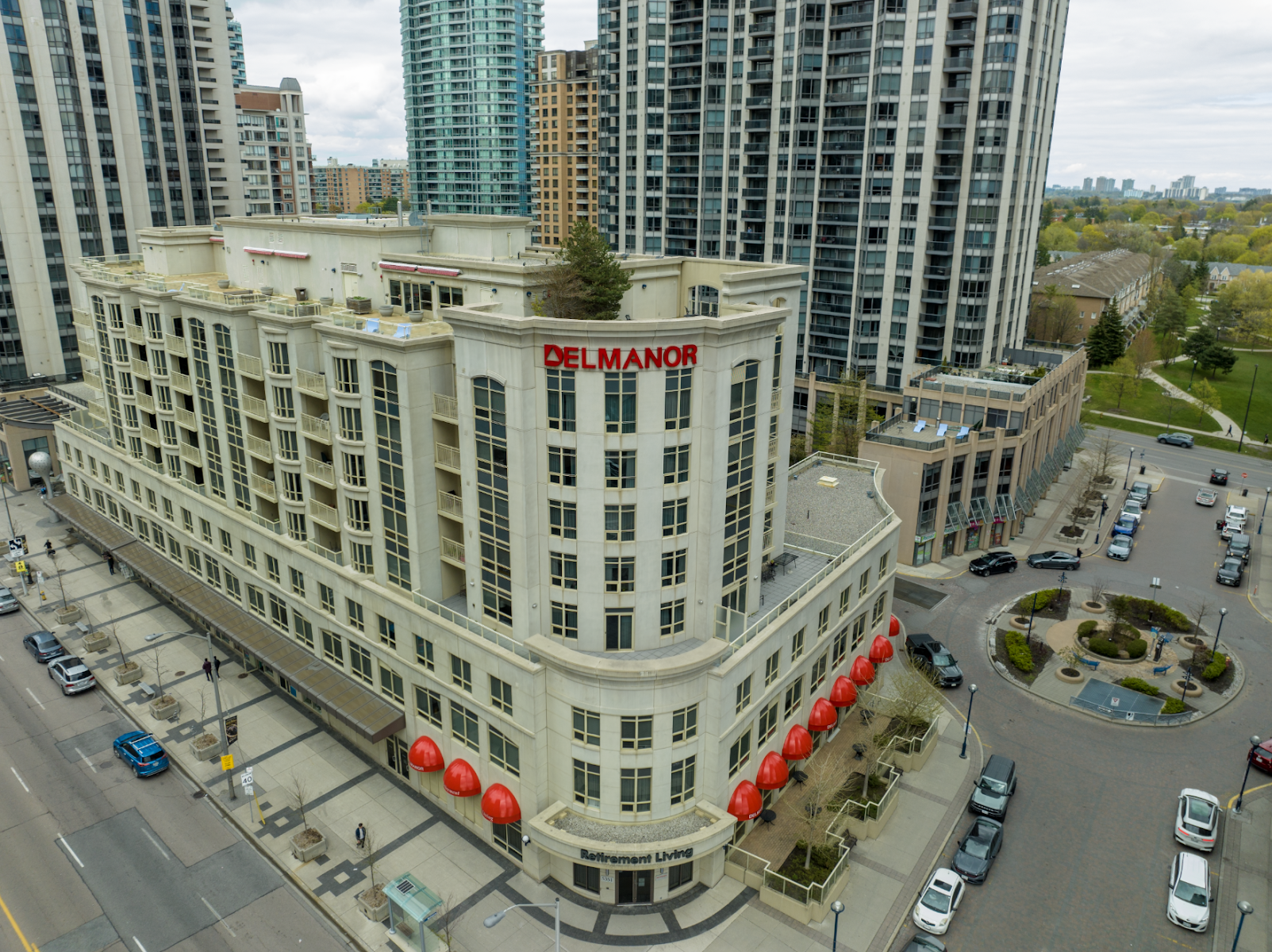
Delmanor Northtown
North York · M2N 7L5
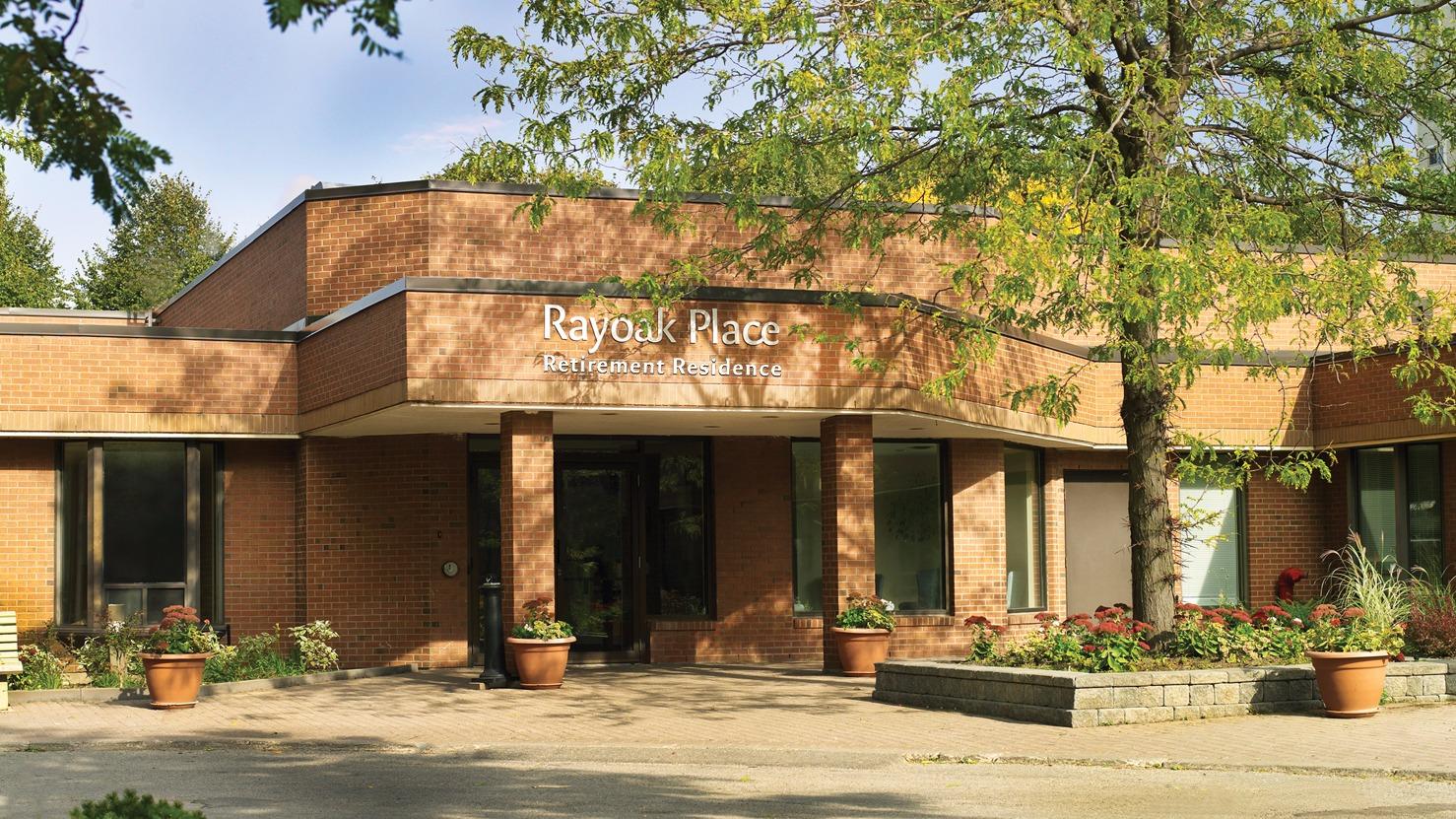
Amenida Rayoak
North York · M3A 3R1
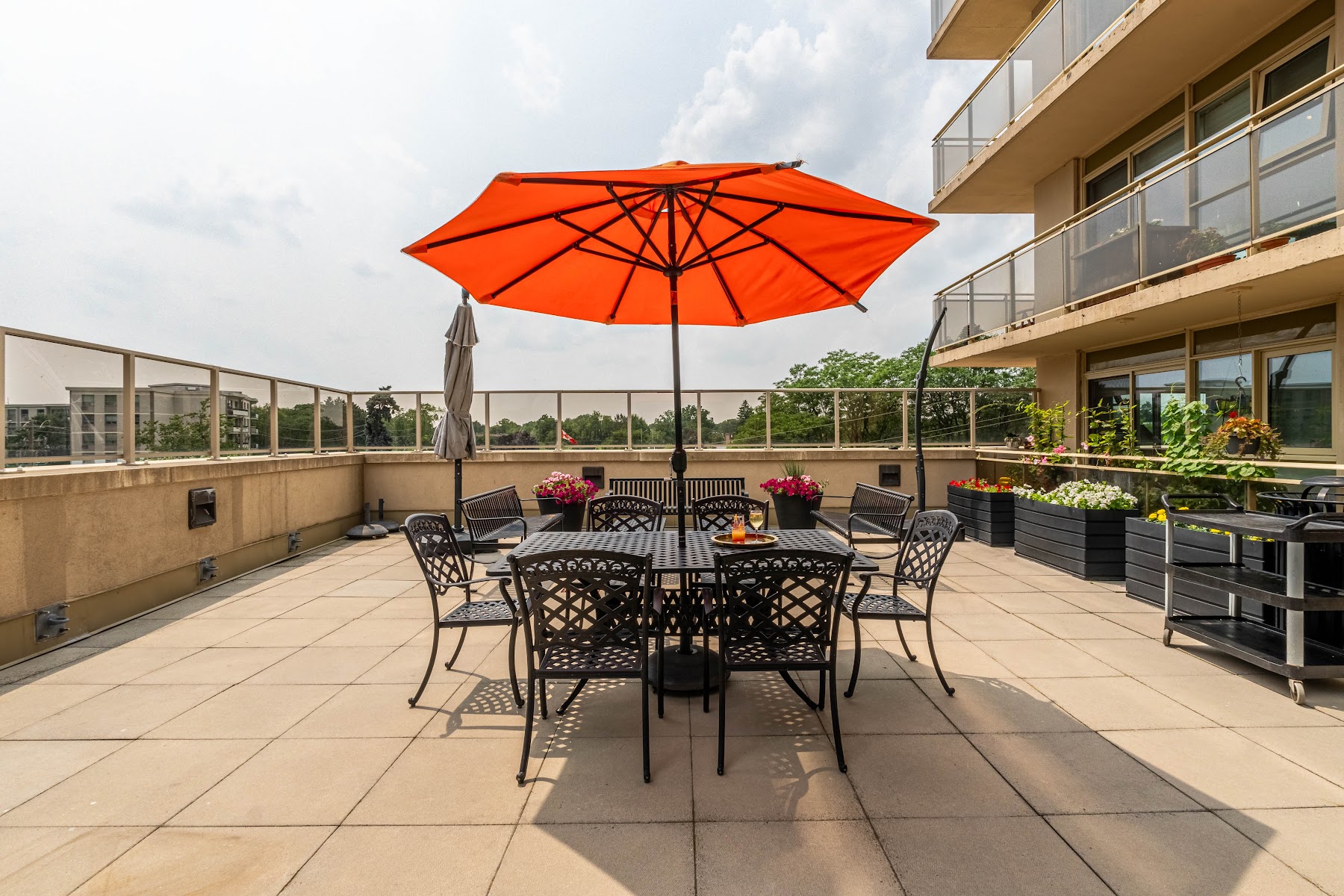
Canterbury Place Retirement Residence
North York · M2N 0G7
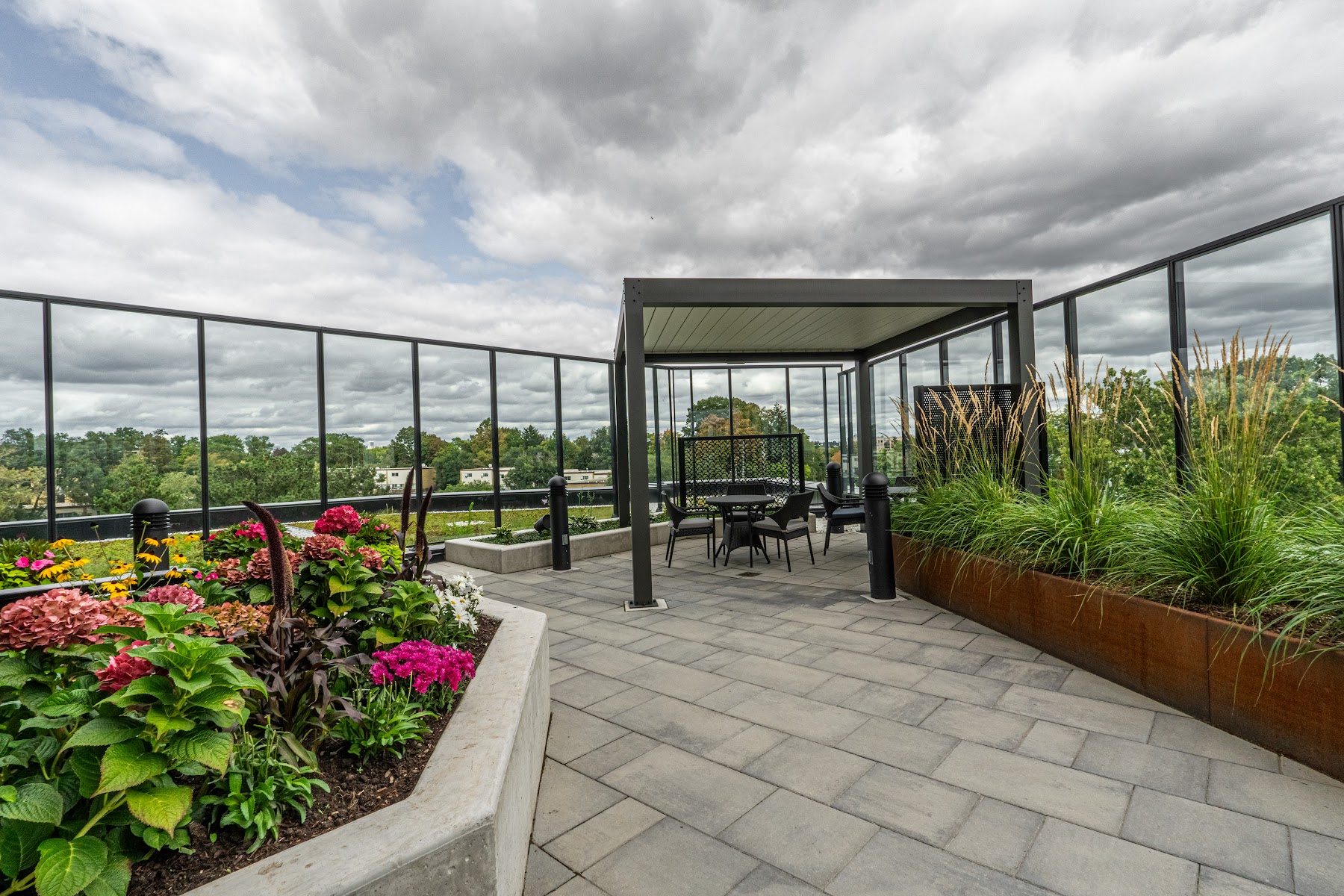
Don Mills Retirement Residence
North York · M3C 0P4
Keep reading
- 10 RHRA-licensed retirement homes in Etobicoke - an editorial overview
Every RHRA-licensed retirement home in Etobicoke, organized by area, with care-level notes and guidance on shortlisting the right fit for your parent.
- 17 RHRA-licensed retirement homes in Scarborough - a curated overview
An editorial overview of 17 RHRA-licensed retirement homes in Scarborough, with notes on cost, care services, and which neighbourhoods each home serves.
- 21 RHRA-licensed retirement homes in Mississauga - a curated overview
An editorial overview of 21 RHRA-licensed retirement homes in Mississauga, organised by neighbourhood, with notes on each home's character.
- 38 RHRA-licensed retirement homes in Toronto - a curated overview
An editorial overview of 38 RHRA-licensed retirement homes in Toronto, organised by neighbourhood, with notes on what each home is set up for.
Browse the directory
Ready to look at homes?
See every RHRA-licensed retirement home in our directory. Filter by city and care level. Direct phone numbers, no referral fees.
Browse retirement homes